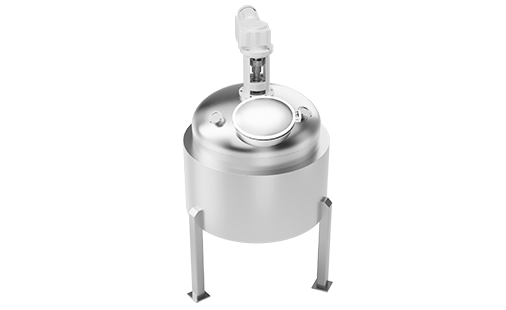















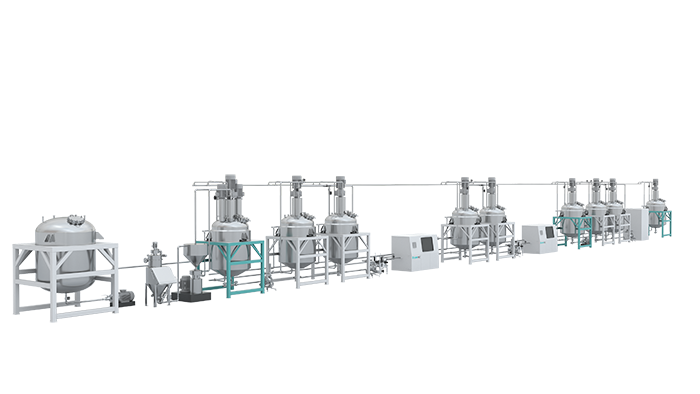

boyee - Swcnt Slurry Preparation Line

SWCNT Slurry Preparation
Overview

Carbon nanotubes can be classifi­ed into single-walled carbon nanotube slurry and multi-walled carbon nanotubes based on the difference in carbon layers. In commercial applications, single-walled carbon nanotubes have superior performance, featuring true nanoscale tube diameters, better electrical conductivity, flexibility and high elasticity.However, achieving a stable and uniform dispersion of SWCNTs at the nanoscale poses a significant challenge in industrial production. 


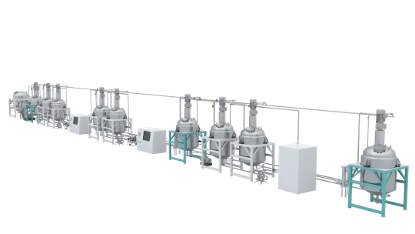
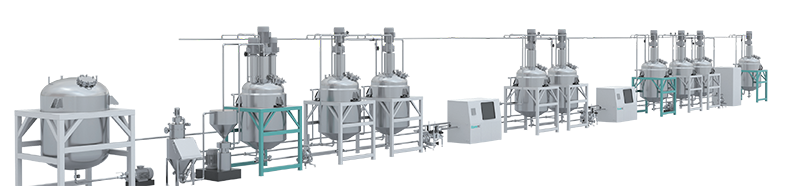
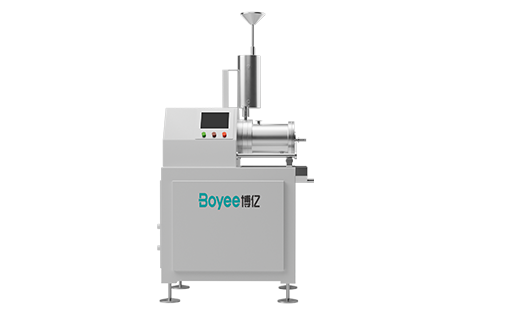
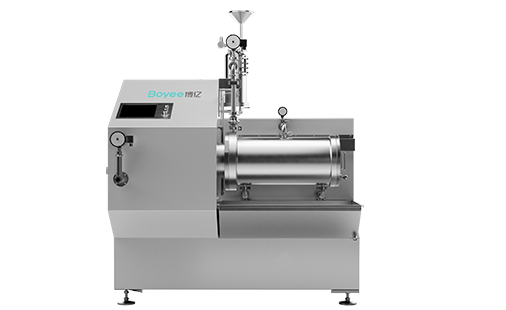
Boyee's SWCNT Slurry Preparation Line fundamentally solves this problem, thanks to its advanced bead milling technology. The high-precision mechanical shearing force generated by the Bead Grinding Machine for Battery Slurry effectively breaks down the strong intermolecular forces and aggregates of single-walled carbon nanotubes, allowing them to fully exert their excellent performance in conductive slurries.

SWCNT Slurry Preparation
Characteristic
Highly efficient crushing of agglomeration
Continuous processing capacity, improve dispersion efficiency and continuity
Homogeneous cycling dispersion
Precise regulation of cycle parameters
Low impurity content
Low-shear, gentle slurry preparation preserves the aspect ratio of single-wall carbon nanotubes (SWCNTs) while minimizing material damage
Difficulty in Complete Dispersion

From assessing the damage suffered by the machine, or making suggestions on the condition of any of your Boyee equipment, Boyee can provide the corresponding assessment report through professional inspection means.

Challenges in Achieving Even Dispersion

Even when dispersion treatments are applied, SWCNTs have a tendency to re-aggregate because of the attraction between particles. This re-aggregation often occurs during storage or processing steps, including heating and shearing, which can cause an increase in particle size and lead to performance degradation.

Low Impurity Content

The dispersion process for SWCNTs is prone to material loss. This is mainly caused by issues like residue, filtration losses, and excessive shear forces, which contribute to the fragmentation of the nanotubes. Such losses result in wasted raw material, decreasing the overall efficiency of the dispersion process.

High Dispersion Efficiency

Achieving a highly efficient dispersion of SWCNTs requires advanced techniques to prevent their agglomeration and minimize material loss. This ensures that the final product has both a high degree of dispersion and low impurity content, ultimately maintaining the desired performance characteristics.

SWCNT Slurry Preparation
Difficult to completely break the reunion
Highly efficient crushing of agglomeration

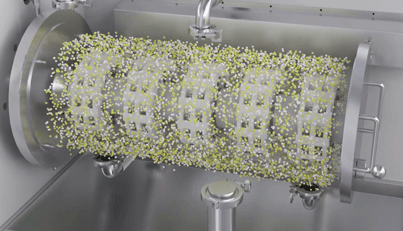
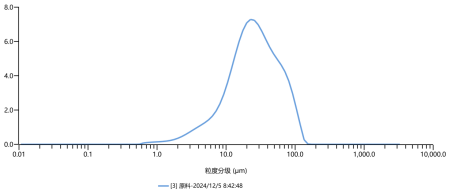
By taking advantage of the micron-scale gap between the high-speed rotating rotor and the fixed stator, a hybrid force field of strong shear, friction and high-frequency vibration is generated to initially break down micron-scale agglomeration and dissociate them into sub-micron-scale.

Dispersion efficiency and continuity

With continuous processing capabilities, it can efficiently and stably disperse large amounts of materials. The production efficiency is much higher than that of intermittent stirring ultrasonic.

Evenly dispersed, with no large particles distributed
Homogeneous cycling dispersion

After pretreatment, the material enters the homogenisation system, where the microchannel shear and cavitation effects of the high-pressure homogeniser further break down intermolecular forces.

Precise regulation of cycle parameters

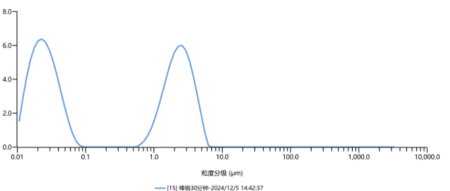
The accompanying circulation tank achieve 3 to 5 cycles of treatment, precisely controlling the flow rate and temperature, and gradually dispersing the agglomeration into a single or low agglomerate state.

Low impurity content

By improving the inner walls of the equipment, upgrading the filtration process, and precisely controlling the dispersion process, Boyee has reduced residues, filtration losses, and excessive shear fractures, thereby enhancing the utilization rate of single-walled carbon nanotube raw materials.

Carbon nanotubes can be classified into single-walled carbon nanotubes and multi-walled carbon nanotubes based on the difference in carbon layers. In commercial applications, single-walled carbon nanotubes have superior performance, featuring true nanoscale tube diameters, better electrical conductivity, flexibility and high elasticity.

Main craft
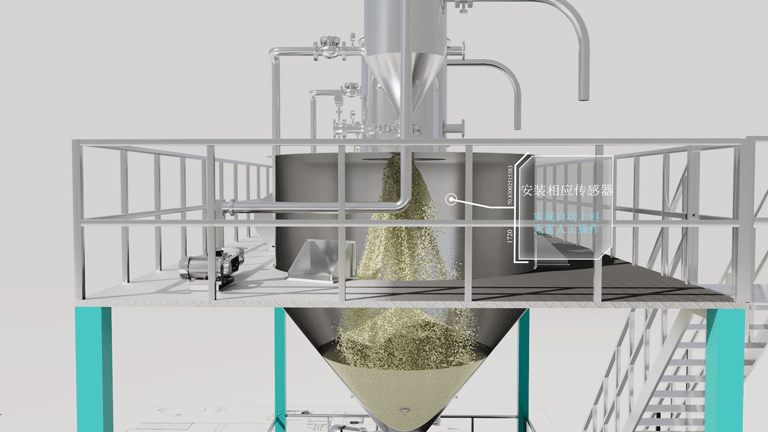
Feeding materials
1
High shear pre-dispersion
2
Coarse dispersion
3
Fine dispersion
4
Dethickening
5
Qualified slurry
6

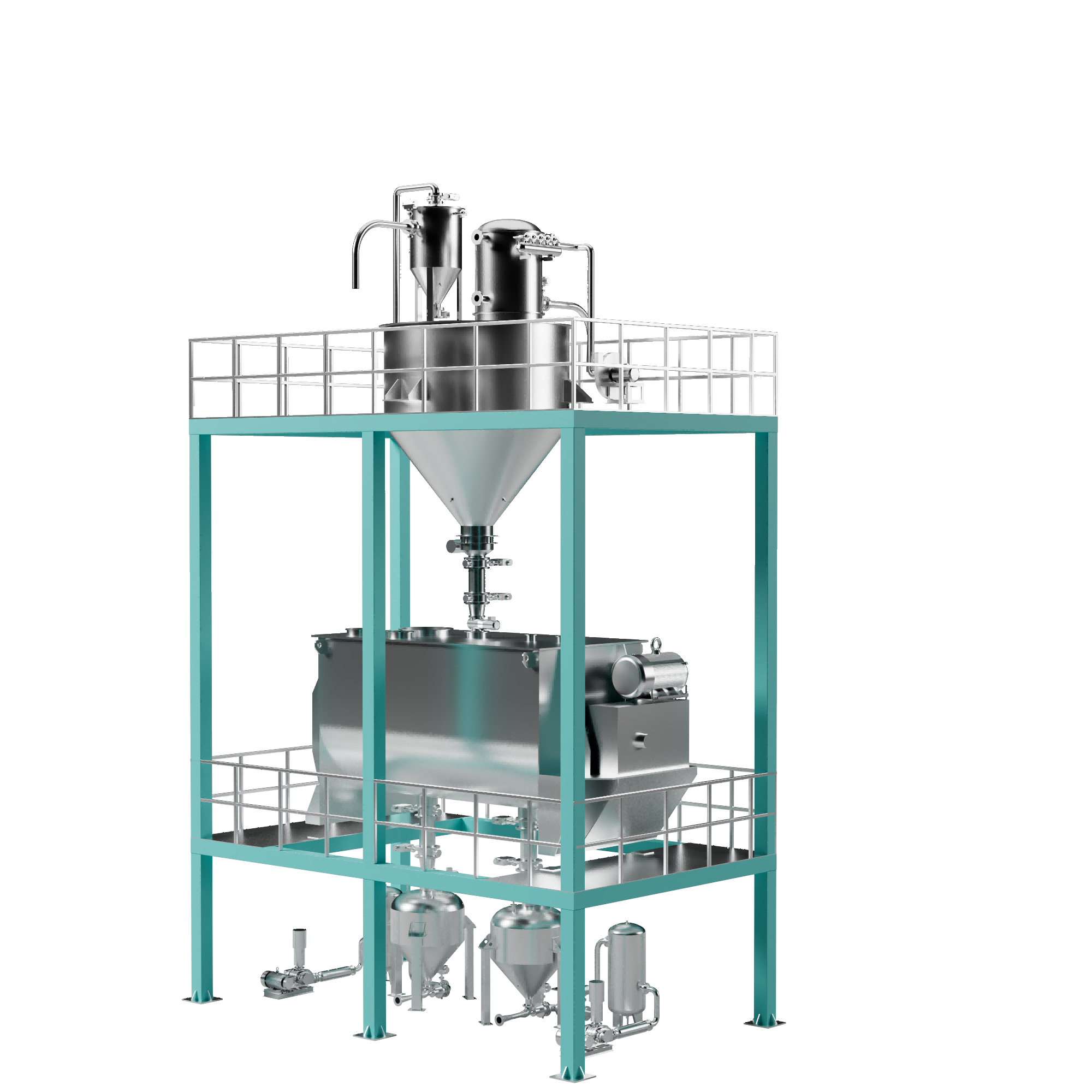
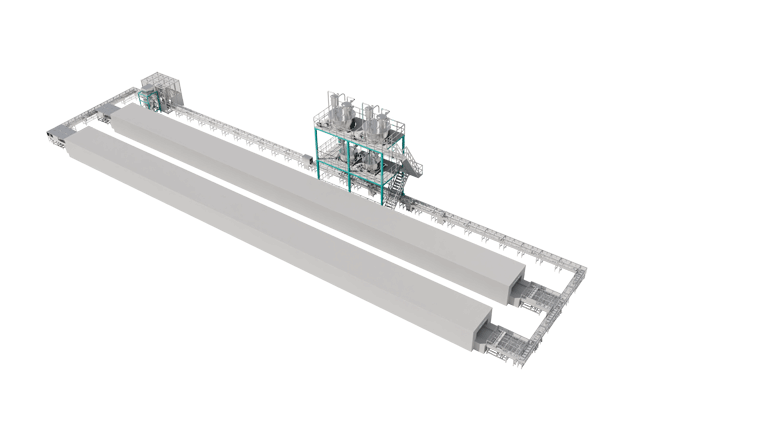
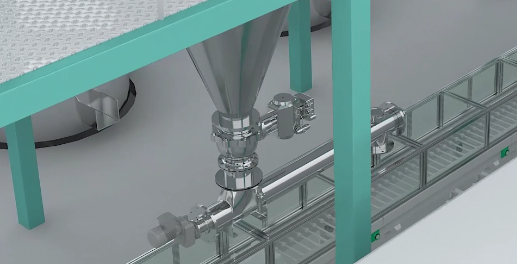
I. SWCNT Slurry Preparation Line for Lithium Battery Conductive Additive


1781162136321184.png

1. Lower Loading, Higher Conductivity — But Harder to Disperse

Single-wall carbon nanotubes deliver a conductive network at lower loading than multi-wall CNT or carbon black, which is why battery makers pushing for higher energy density and faster charge rates are moving toward SWCNT conductive additives.


The tradeoff is that SWCNT is harder to disperse — the tubes are longer, more prone to bundling, and easier to damage with excessive mechanical shear, so the production line has to balance thorough debundling against tube-length retention.


工作环境.png

2. FCCVD Growth Integration and Shear-Tuned Dispersion

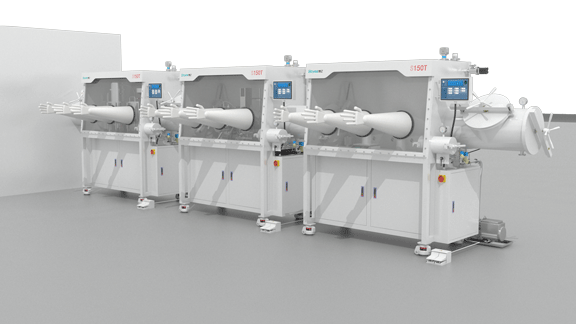
Boyee's SWCNT slurry preparation line can be paired with our FCCVD (floating catalyst CVD) SWCNT growth system for producers who want raw SWCNT synthesis and slurry preparation integrated into a single site. Continuous floating-catalyst synthesis gives consistent tube diameter and length distribution feeding into the dispersion stage; controlled pre-dispersion wets and loosens SWCNT bundles to reduce the shear load needed downstream; and the nano bead mill dispersion runs a shear profile tuned specifically for SWCNT rather than reused from MWCNT or carbon black recipes, since over-milling shortens tubes and cuts conductivity gains.


产线 (4).png

3. Turnkey Scale-Up With Consistent Process Parameters

Real-time viscosity feedback keeps the slurry within the process window electrode coating requires, and the same dispersion process validated on lab-scale equipment scales to production volume without re-optimizing shear parameters from scratch — cutting the qualification time between pilot batch and mass production.


If your formulation mixes SWCNT with MWCNT, or you need a line covering both CNT types, see Boyee's broader Conductive Slurry Production Line solutions.


二维码

扫码关注